So Where Are You From?
Identity, belonging and the stories we carry
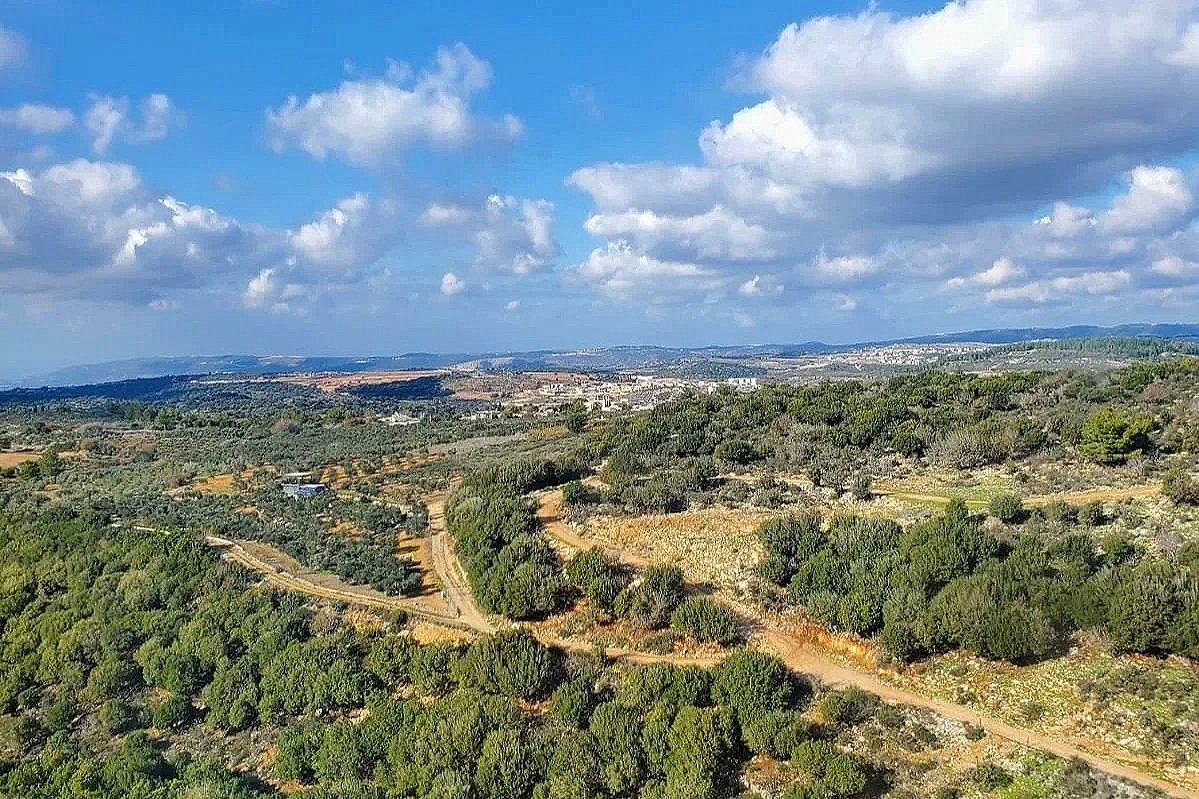
Home
One way or another, a moment will come when I'll be asked where I'm from.
I'm very aware of it, and a part of me often braces for the moment.
My accent fluctuates, depending on the time of day, how tired I am and whether the person I'm speaking with is a native English speaker or not. But whether it’s my accent or something else, the question will inevitably come.
In the past three years, this question has carried a lot more weight. I've received enough adverse reactions to saying I’m Israeli to make me feel guarded, not knowing where the conversation will go from there.
My identity has always been political.
In the headlines or not, being Israeli and Jewish, especially when travelling, meant a certain level of alertness and awareness of who was around me and sometimes hiding certain identity markers.
Wait, this isn't a political post or a complaint. More of an honest account of something we all share.
This is about personal experience, what defines us internally and externally, and the different identities we carry with us, whether we get to choose or inherit them.
Country of origin, cultural background, body shape, social status, gender, sexuality, disability and a myriad of other definitions we find ourselves fitting into.
Me? I've always been a chameleon. Learning to imitate and assimilate into different environments.
Call it survival and defence mechanisms, call it coping, masking. One way or another I've always done it. Shifted, changed and adjusted to try and fit in, to be accepted. At times more than I am actually comfortable with.
This habit, this way of being, has been especially clear to me since coming to Australia.
I very quickly learned that my Israeli way of being, of expressing myself, was not the norm.
I would receive comments, reactions, facial expressions that made it abundantly clear I was not coming across the way I intended to, or thought I was.
It also took very little time to realise that I didn’t understand the local social codes, and I’d often find myself perplexed by yet another situation read wrong.
A decade later I am still clearly not from here. Though my English is excellent and I have found my path in this new Australian life, I am always working harder to keep up and to express myself in a way that feels authentic.
Life in English means expressing myself through a filter. A language that isn't mine, that holds an entire cultural code that isn't mine, and that rolls so differently off my Hebrew-speaking tongue. I am quicker, smarter, funnier and more nuanced in my native tongue. Even physically, my jaw relaxes and moves with ease when I speak Hebrew.
Ways of being etched deep into my experience.
While I'm learning to embrace, lean in and celebrate more aspects of being foreign, it can still feel like I’m always a step behind. Forever playing catch up.
This is especially evident in my professional environment.
Colleagues who grew up here will have commonalities and shared life experiences that I’ll never be part of, and will easily weave terms and acronyms I am not familiar with into conversations. It can be exhausting, disheartening, and at times leave me feeling inadequate or disengaged.
Maybe that's why I truly appreciate people and places where I can be myself- relax, not pretend or try extra hard, and just be me.
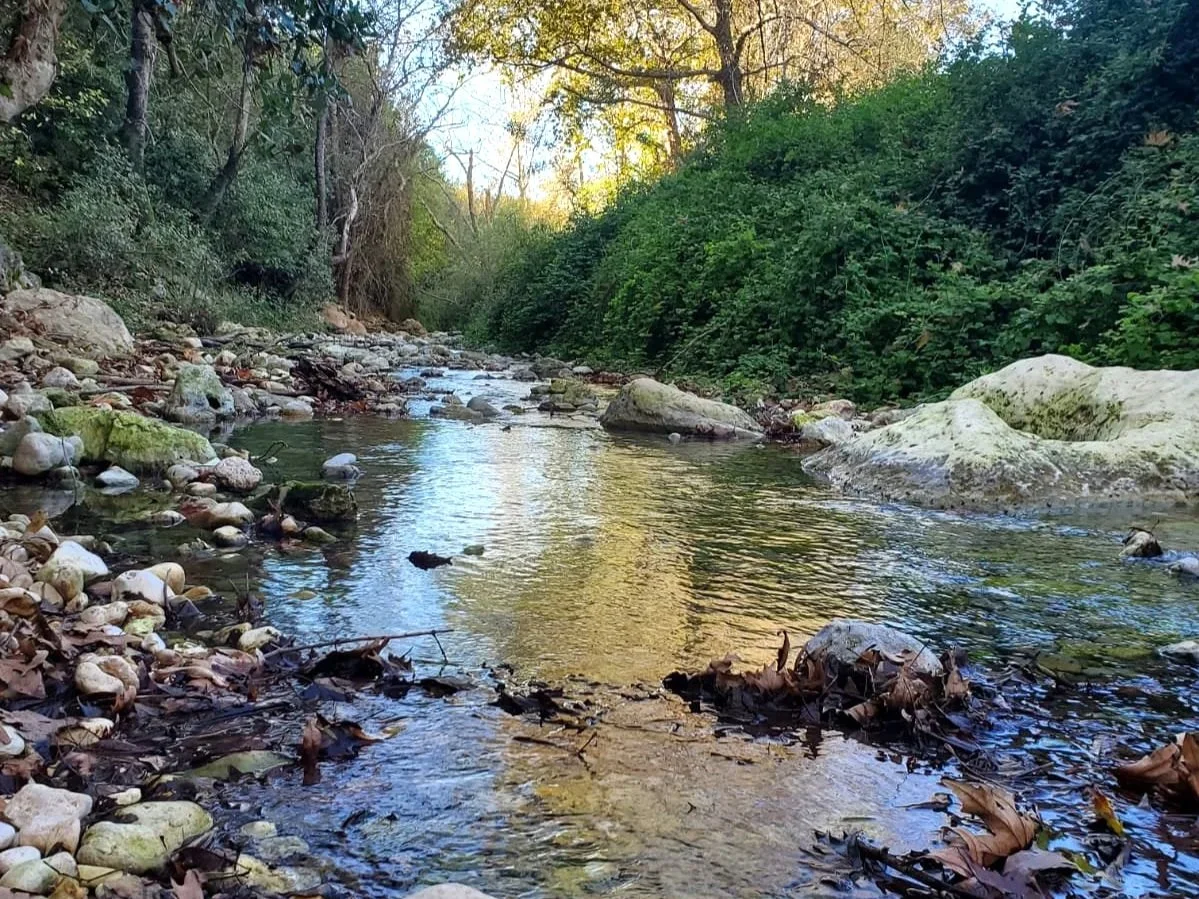
Places and people
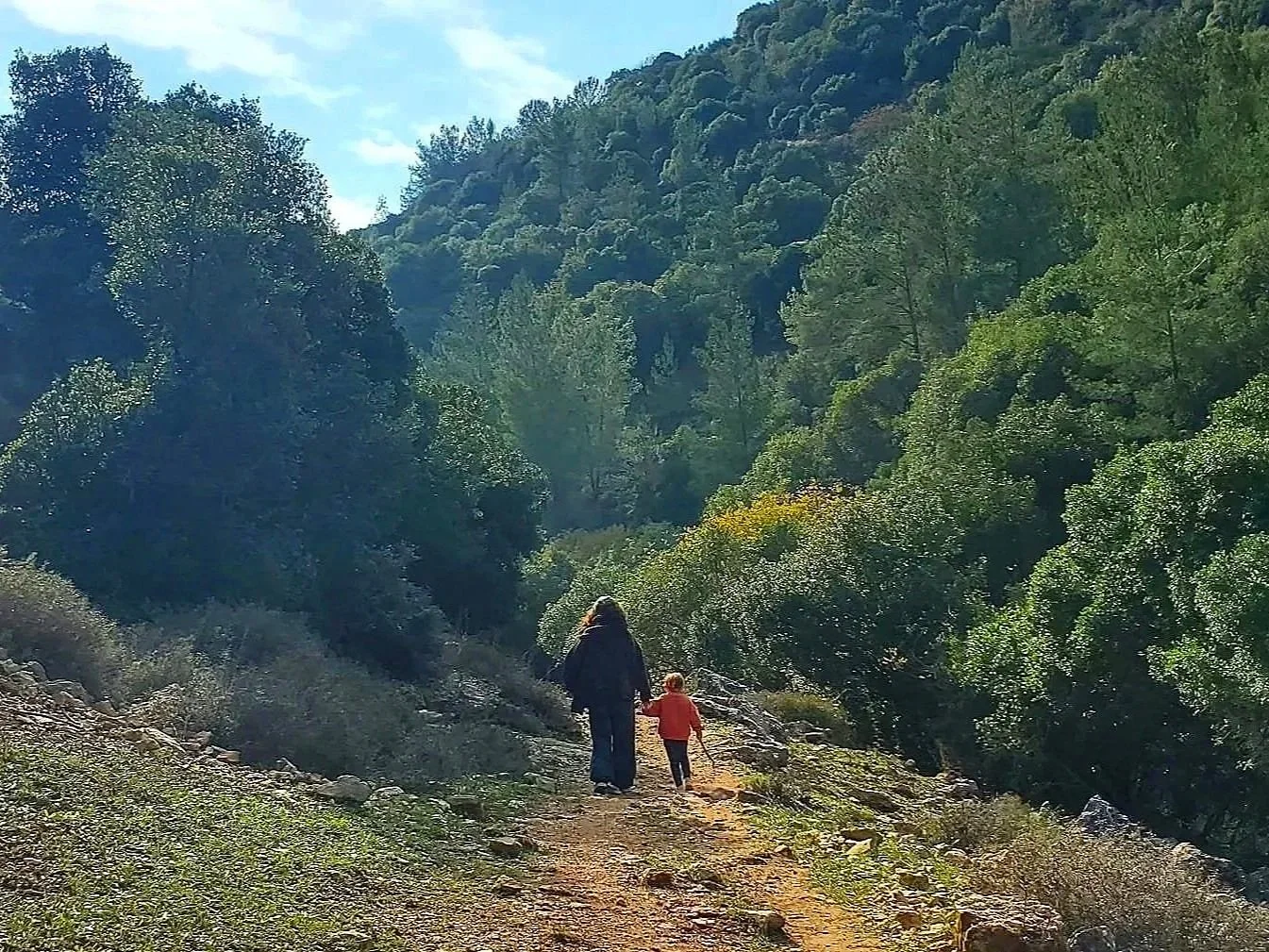
that hold a sense of belonging
This lived experience of otherness is something I bring into my group work, encouraging exploration of personal identity.
In a safe and moderated space, we talk about personal histories and generational stories we carry, aspects of our identity we feel great affinity to, those that challenge us to look within, and those we are happy to leave behind or replace with new ones of our own creation.
Listening openly to others, giving room for different experiences to exist and remaining curious, has the power to connect us as humans. We might relate deeply to some aspects of another’s experience, while finding others quite foreign, or even challenging. We may be curious or ask questions to help us understand each other.
Either way, we acknowledge that this is someone else’s experience, their reality.
We also take responsibility for our own reactions and treat each other with dignity.
Just you, as you are. Hella human and deeply vulnerable.
I believe the ability to have these conversations, to accept nuance and complexity, to hold space, stay present and open, informs how we move through the world.
Hopefully with more compassion, acceptance and kindness towards others navigating their own human experience.
What parts of your identity do you carry lightly? Which ones are you celebrating and which are you moving away from?